
Salesforce implementation phases are the sequential stages of a build, from discovery and strategy through architecture, phased delivery, testing. And post-go-live optimization, that turn your CRM into a revenue-producing system instead of an expensive shelf of unused features.
The difference between a profitable launch and a stalled one is almost never the Salesforce product. It is the discipline of the phases around it. A structured, phased approach de-risks the project, protects your budget, and gets measurable ROI into production early instead of holding everything back for one all-or-nothing “big bang” go-live.
Build a smarter Salesforce strategy with Omnivo Digital.
Connect with our team to discuss your CRM goals, Salesforce challenges, and the best next step for your business.
Ready to map your own rollout? Let’s Talk Strategy and build a phased Salesforce roadmap your team will actually use.
Mid-market leaders who skip this foundation often reach the same painful endpoint: a fully paid-for platform that nobody adopts. That is why the next few minutes are worth your time. You will learn exactly what happens in each Salesforce implementation phase, what should be delivered at every step, and which stage most projects quietly skip. For the strategic framing behind the process, start with our Salesforce implementation strategy guide; this article is the tactical, stage-by-stage playbook.
What Are the Salesforce Implementation Phases?
Salesforce implementation phases are the distinct, sequential stages of a build that run from discovery and strategy through architecture design, phased delivery, testing, go-live, and post-launch optimization. Most experienced teams describe a 5-to-9 phase process, but the shape underneath is consistent: you plan, you build, you verify, and you improve.
Here is what each phase should deliver, so you can recognize a disciplined roadmap when your implementation partner puts one in front of you.
| Phase | What Happens | Outcome You Should Expect |
|---|---|---|
| 1. Discovery & Strategy | Document business requirements, current-state pain, and the future-state design | A signed-off requirements baseline and a clear definition of success |
| 2. Architecture & Data Model | Design objects, fields, automation, and integrations for scale | A scalable technical blueprint with a clean data migration plan |
| 3. Phased Build | Highest-impact features ship first in waves | Early, measurable ROI while the build is still in flight |
| 4. UAT & Change Management | User acceptance testing, training, and adoption planning | A team that is ready, not just a system that is configured |
| 5. Go-Live | Migrate production data, enable integrations, cut over | A supported launch with legacy systems switched off |
| 6. Post-Go-Live Optimization | Measure, refine, and expand adoption and value | Continuous improvement against real business outcomes |
Q: What is the first phase of Salesforce implementation? A: Discovery and strategy. This is where an implementation team documents the business requirements and the future-state design. Typically guided by a steering committee so every later decision maps back to a defined goal.
Q: How many phases does a typical implementation include? A: The count varies from 5 to 9 depending on the partner, but every mature method includes discovery, design, build, testing, and post-launch optimization. The names differ; the discipline does not.
How Does Discovery and Strategy Set Up the Salesforce Implementation Phases?
Discovery and strategy is the Salesforce implementation phase that decides whether your project pays for itself or quietly bleeds budget. The point is not to gather requirements for the sake of paperwork. It is to force a shared, written agreement about what success looks like before a single field is configured.
In our experience as Salesforce consultants, the teams that fail do so because discovery was skipped or rushed. A genuine discovery phase does three things:
- It documents the current process and the specific pain driving the project, so you build what actually hurts, not what is trendy.
- It defines the future state and the business outcomes that justify the spend, including a return-on-investment baseline.
- It establishes a steering committee and decision cadence, so authority and accountability live somewhere visible.
Q: How long does a Salesforce implementation take? A: It depends on scope and process maturity, but the discovery phase alone often runs a few weeks because it sets the foundation for every later decision. A disciplined, phased build then ships value continuously rather than forcing you to wait months for one release.
For most mid-market buyers, the fastest path to an honest discovery is an independent Salesforce Org Audit. It surfaces what is actually broken before you design around it.
Then read our guide to how a failed build becomes a strategic engine when the strategy is sound.
How Do You Architect a Salesforce Data Model That Scales?
Once discovery locks in your goals, the next Salesforce implementation phase turns strategy into a technical blueprint. This is where a partner decides how to model your data, configure versus customize, and wire the integrations that make Salesforce the center of your operation.

Three things separate a scalable build from one that collapses under its own technical debt.
- Configure before you customize. Native configuration is cheaper to maintain and easier to upgrade than custom code. A strong team only builds custom applications when configuration genuinely cannot support the process.
- Model the data for the long run. Field design and object relationships here determine how clean reporting, automation, and future integrations behave for years. Poor modeling now is a costly rework later.
- Plan migration as a parallel track. Data migration and integration run alongside the build in waves, not as a frantic last-week scramble. Clean, validated data is the difference between a launch and a data mess.
Mid-market operations often need Salesforce to talk to the systems that already run the business, such as QuickBooks and core ERP platforms. Getting those integrations right in this phase is what lets a single record flow from quote to fulfillment without a human re-keying it. For a deeper look at moving your records cleanly, see our guide to data migration best practices.
Architecture also protects you from the silent costs of scale. As your data grows and your workflows branch across sales, service, and marketing, a well-modeled data foundation keeps reports accurate and automation predictable. Skip the design step and every object you add later multiplies the mess, inflating maintenance hours and slowing the people who depend on the system every day.
How Does a Phased Build Deliver ROI Before Go-Live?
The build is where most traditional implementations go wrong. They treat a Salesforce roll-out like a single delivery that must finish before anyone sees value. A phased build flips that assumption: you ship the highest-impact features first, realize ROI early, and keep momentum with users who see real progress instead of endless configuration.
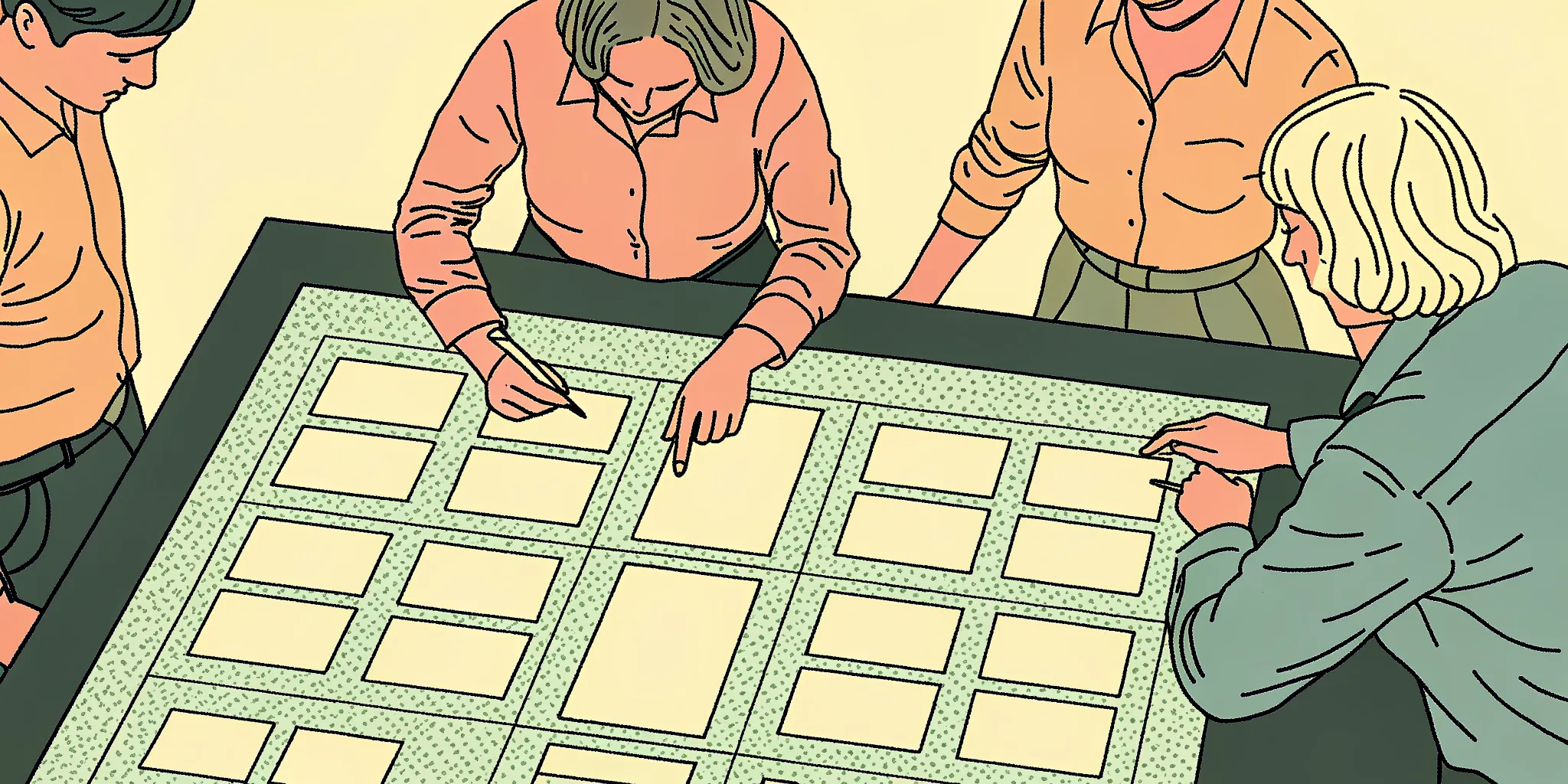
This is the core of Omnivo Digital’s product-management-led methodology, the reason our consultants operate more like product managers who code than like generic integrators.
- Define the milestone outcomes. Break the build into logical releases, each tied to a business goal and a measure of success.
- Prioritize by ROI and risk. Put the highest-impact, lowest-risk features in the earliest waves so value arrives while the project is still running.
- Build in short waves. Deliver working functionality in sprints, mirroring the way modern software teams manage scope and change.
- Demo every wave. Show stakeholders working software at each milestone so feedback shapes the next release instead of surfacing after launch.
- Adjust scope with evidence. Use what you learn in early waves to refine later ones, and protect the milestone budget rather than the feature wish-list.
Tying every wave to a deliverable makes it possible to support a results-based engagement model where you pay for completed milestones rather than by the hour. You always know what each one of the Salesforce implementation phases is producing and why it matters to your bottom line.
There is a practical reason this matters for mid-market budgets. When value lands in the first wave, the finance team has early evidence the project is working. Which protects the remaining investment from being frozen the moment leadership gets nervous. When nothing ships until the very end, a single delay can stall the entire program and hand power to the loudest skeptic in the room.
Phased delivery is not about doing less. It is about sequencing the same scope so that each milestone pays for the next round of work. Turning a platform your team tolerates into one your team actually adopts.
Why Do Most Salesforce Implementations Skip UAT and Change Management?
User acceptance testing and change management is the Salesforce implementation phase that separates a launch that sticks from a launch that disappoints. It is also the one most teams quietly skip. When the budget starts to run low, testing and training are the first things cut, and adoption is where the project dies.
Here is what a real adoption phase includes, and why each piece matters.
- User acceptance testing. Real users run real scenarios against the configured system and validate that it supports the actual workflow. UAT catches the gaps that configuration reviews never will.
- Data validation. Confirming that migrated records are complete, correct, and findable before anyone depends on them at go-live.
- Training before launch. Training should happen ahead of the cutover, not after, so users are ready, not surprised, on day one.
- Change management. Communicating the why behind the new system and winning early champions who advocate adoption inside the team.
Q: Is Salesforce implementation hard? A: The technical configuration is manageable for an experienced partner. The hard part is almost always people and process, which is exactly why UAT and change management get real attention instead of being treated as an afterthought.
For more on keeping teams engaged after the cutover, read our guide to driving long-term user adoption.
What Happens After Go-Live in Salesforce Implementation?
Go-live is a milestone, not the finish line. In the final Salesforce implementation phase, you migrate production data, enable every integration, switch off legacy systems. And then begin the work that actually generates the return: measuring, refining, and expanding what the platform delivers.
Projects fail after launch when the team treats go-live as the end. Winning implementations treat it as the start of optimization.
- Track real outcomes. Align the reported metrics to the ROI baseline from discovery, and review them on a regular cadence.
- Close adoption gaps. Find the teams and workflows that still lean on spreadsheets and give them the support they need.
- Refine automation. Use live usage data to tune the processes, dashboards, and automations that matter most.
- Plan the roadmap. Turn the backlog of nice-to-haves into a prioritized release plan that keeps building value.
Q: What are the common challenges in Salesforce implementation? A: Scope creep, messy data, skipped change management, and a go-live that is treated as an ending instead of a beginning. A phased approach with defined milestones and honest measurement addresses all of them.
The result of steady post-launch work compounds, which is why measuring that value with discipline matters. See how to frame and track it in our guide to measuring Salesforce implementation ROI.
Ready to protect your investment? Let’s Talk Strategy about a phased rollout that ships ROI before go-live.
Frequently Asked Questions About Salesforce Implementation
What are the Salesforce implementation phases in order?
In order, the phases are discovery and strategy, architecture design and data model, the phased build, user acceptance testing and change management, go-live, and post-go-live optimization. Disciplined teams run them sequentially with overlap where it makes sense.
How long does a Salesforce implementation take?
Timelines vary with scope and process maturity. A focused phased build ships value continuously, so you do not wait months for everything. Larger, more complex rollouts naturally take longer, but a good partner ties every milestone to a measurable outcome.
What is the first phase of Salesforce implementation?
Discovery and strategy is first. It documents business requirements, defines the future state, and sets an ROI baseline so every later decision maps back to a defined goal.
Is Salesforce implementation hard?
The platform configuration is manageable with an experienced partner. The genuinely hard part is people and process, which is why user acceptance testing and change management deserve real budget rather than being treated as an afterthought.
What are the common challenges in Salesforce implementation?
Scope creep, messy data, skipped change management, and treating go-live as an ending instead of a beginning. A phased approach with defined milestones and honest measurement addresses all of them.
Build Your Salesforce Implementation Phases With a Partner Who Ships Value
Every Salesforce implementation phase should return measurable business value. Which is why Omnivo Digital approaches each one through product-management discipline: business process first, technology second, and completed milestones instead of billable hours. We are the “MBAs who code,” blending strategic consulting with senior technical delivery.
If you are planning a new build, recovering from a failed implementation, or optimizing what you already run. We can map the right phases for your business and get ROI into production early.
Let’s Talk Strategy and schedule a meeting to plan your Salesforce rollout.
Build a smarter Salesforce strategy with Omnivo Digital.
Connect with our team to discuss your CRM goals, Salesforce challenges, and the best next step for your business.